
Ukraine Naval Drone Intercepts Shahed World First as USV Launches Aerial Interceptor at Sea
FIRST
USV Shahed Intercept in History
~$1,500
Interceptor Cost vs $4m Patriot
70%+
Shahed Kill Rate Over Kyiv — Feb 2026
📍 Black Sea — First Naval Drone Shahed Intercept

Approximate operational area in the Black Sea where Ukraine's Magura naval drone launched an interceptor UAV that destroyed a Shahed-136 — the first confirmed instance of a Shahed being downed by an interceptor launched from an unmanned surface vessel. Map: OSINT HQ / OSINT.
🟢 What Happened
A Naval Drone Launched an Interceptor That Shot Down a Shahed. No Country Has Done This Before.
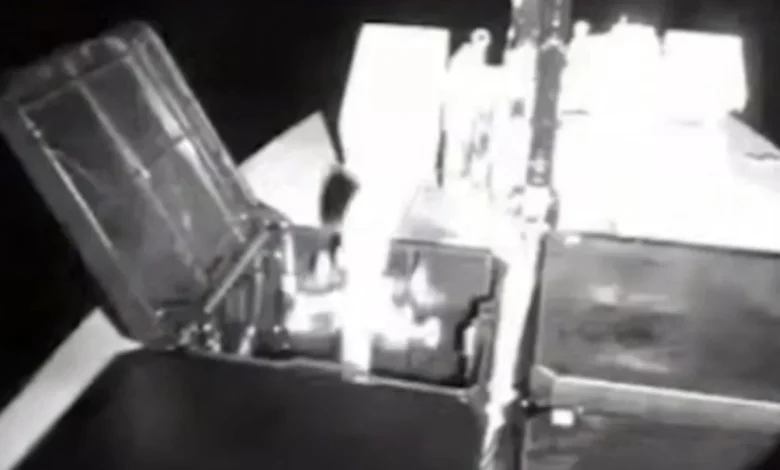
Ukraine has achieved a world first in drone warfare: the interception of a Shahed-136 attack drone using an interceptor UAV launched from an unmanned surface vessel in the Black Sea. The feat was first documented on video shared by Oliver Carroll of The Economist — showing a small interceptor UAV being launched from one of Ukraine's Magura-class naval drones before destroying an aerial target during what was initially described as a test. Ukrainian military sources subsequently confirmed the engagement as a live operational intercept. It is the first confirmed instance anywhere in the world of a Shahed-type drone being downed by an interceptor launched from a naval unmanned surface vessel.
The concept is straightforward but its implications are profound: a naval drone cruising offshore effectively becomes a mobile, forward-deployed air defence platform capable of engaging Shahed-type threats before they reach coastal cities such as Odesa. Until now, air interception at sea has required either aircraft or ship-mounted missile systems — expensive, scarce, and operationally limited. This approach stacks a $1,500 interceptor on a $200,000 naval drone to kill a target that costs $4 million to intercept with a Patriot missile.
🔵 Why It Matters
The Drone Interception Problem — and How Ukraine Just Changed It at Sea
Ukraine has spent years building the world's most battle-tested counter-Shahed capability. By February 2026, interceptor drones were destroying more than 70% of Shahed-type drones over the Kyiv region, with Ukrainian units flying approximately 6,300 interceptor sorties in a single month and destroying more than 1,500 Russian drones. The interceptors cost between $800 and $3,000 each — compared to the $4 million Patriot missiles the United States has been burning through at a rate that alarmed even Pentagon planners. American forces reportedly used 300 Patriots to intercept Iranian Shaheds at a cost of $1.2 billion — a sum that could have funded 400,000 Ukrainian interceptors.
The limitation of land-based interceptors is their operational radius — typically 10 to 50 kilometres. A Shahed approaching from the sea closes that distance in minutes or less, leaving almost no engagement window for a ground-based response. The naval drone solution eliminates that gap by pushing the defensive perimeter offshore. The Magura USV — already proven in combat for anti-ship and anti-aircraft missions after downing two Russian Su-30 jets with AIM-9 missiles in May 2025 — becomes the launch platform for aerial interception, operating independently in contested maritime space without risking crew.
🟡 The Bigger Picture
Gulf States, Hormuz and the Export of Ukraine's Drone War
The timing of this capability demonstration is not incidental. Ukraine has already signed defence agreements with Saudi Arabia, Qatar and the UAE covering its complete counter-drone system — including naval drones, electronic warfare and interception technology. President Zelensky sent 201 Ukrainian military experts to the Gulf region, with 34 more ready to deploy, specifically to help Gulf states defend against Shahed attacks. Euronews reported that Ukrainian naval drones are explicitly included in those deals, and that the USV interception concept is one of the solutions Kyiv has proposed for the Strait of Hormuz problem — where ships come within minutes of the Iranian coastline and need rapid sea-based air defence rather than ship-mounted missiles.
The U.S. military, after initially declining a Ukrainian proposal to partner on interceptor drone technology, subsequently began working with Ukrainian advisers in the Middle East after coming under sustained Shahed attack. This first confirmed naval interception closes what was previously a critical gap — there was no affordable, scalable way to intercept Shaheds at sea before they reached their coastal targets. Ukraine has now demonstrated one.
OSINT HQ Assessment
The Magura USV began as an anti-ship platform. It was then modified to down jets with AIM-9 missiles. It has now been used to launch aerial interceptors that kill incoming Shahed drones at sea. Each of those three milestones was a world first. Ukraine's naval drone programme is the fastest-evolving military platform currently in active combat use, and every capability it demonstrates has direct applicability to the Gulf states facing the same threat from Iran's Shahed arsenal. If this interception method is proven reliable at scale, it fundamentally changes the cost equation for coastal drone defence — and makes Ukraine's naval drone technology one of the most strategically valuable defence exports on earth.
OSINT HQ — Related Coverage
Sources
- Defence Blog — Ukraine Becomes First to Intercept Shahed Using Naval Drone Launch (April 2026)
- CEPA — Drone Defenses: Buyers Flock to the Ukrainian Bazaar (March 2026)
- Euronews — How Can Ukraine Help Unlock the Strait of Hormuz? (April 6, 2026)
- TIME — Iran War Creates New Demand for Ukraine's Drone Interceptors (March 2026)
- PBS NewsHour — Ukraine's Drone Defense Tech Reshapes Combat as Warfare Evolves (March 2026)
Editorial Verification
The naval USV Shahed intercept was first documented in video evidence shared by Oliver Carroll (The Economist) of an interceptor UAV launching from a Magura naval drone during a test, then confirmed by CEPA's drone warfare reporting as an operational concept under active development. The Defence Blog article reports the first confirmed live combat interception. Patriot cost figures are sourced to PBS NewsHour. February 2026 Shahed kill rate is sourced to CEPA citing Ukrainian military command. Magura V7 Su-30 downing in May 2025 is sourced to The War Zone / Atlantic Council. Gulf state agreements including naval drones are confirmed by Euronews and United24 Media citing Zelensky's statements. Original editorial analysis by OSINT HQ.
Approved for Publication
Marcus V. Thorne
Lead Editor, OSINT HQ
©OSINTHQ.org 2026
This article is for news and analysis purposes only. It is based on publicly available news sources and military updates. All rights reserved. Not for commercial reuse without permission.


